Buy sharedspace.org ?
We are moving the project
sharedspace.org .
Are you interested in purchasing the domain
sharedspace.org ?
domain@kv-gmbh.de · 0541-91531010
Buy sharedspace.org ?
How large is the molarity?
The molarity is a unit of concentration that measures the number of moles of solute per liter of solution. It is a measure of the concentration of a solution and is expressed in moles per liter (mol/L). The molarity can vary depending on the amount of solute and solvent present in the solution. **
How do you calculate molarity?
Molarity is calculated by dividing the number of moles of solute by the volume of the solution in liters. The formula for molarity (M) is: Molarity = moles of solute / liters of solution. This calculation allows you to determine the concentration of a solution in terms of the number of moles of solute per liter of solution. **


Similar search terms for Molarity
Top-Angebote
Products related to Molarity:
-
OEM "63"" Conference Table, Meeting Desk for 4-6 People, Solid Wood Office Table for Conference Room, Office, Collaboration Space"Great ideas don’t happen in isolation—they spark from collaboration, grow from discussion, and take shape around a table where voices are heard, creativity flows, and small teams come together to chase a common goal.289,99 $*Shipping: 0,00 $Secure redirect to the provider
-
Uplifted Finds Workspace Pro Elite Desk Hammock Workspace Pro Elite Desk Hammock"Maximize your office productivity while keeping your feline companion at your side with the WorkspacePro Elite Desk Hammock. This premium ""sidecar"" perch is the ultimate solution for cats that insist on lounging on your keyboard or laptop. Featuring..."250,97 $*Shipping: 0,00 $Secure redirect to the provider
-
Jeffree Star Cosmetics Velour Liquid Lipstick liquid lipstick shade Gated Community 5.6 mlJeffree Star Cosmetics Velour Liquid Lipstick, 5.6 ml, Lipsticks for Women, Beautifully accentuated lips never go out of style. The Jeffree Star Cosmetics Velour Liquid Lipstick lipstick envelops the surface of your lips in a continuous layer of irresistible and rich colour, accentuating any makeup look perfectly, whether you’re heading to work, a meeting or a party. It allows you to emphasise your lips while also giving them the shape you want or a fuller look. In just a moment, it will give your lips a gorgeous colour and perfect shape, making them the centre of attention and irresistibly kissable. Characteristics: matte effect long-lasting washes out easily Ingredients: vegan product How to use: Apply lipstick to lips from the centre to the corners using gentle strokes.13,30 £*Shipping: 3,99 £Secure redirect to the provider




-
What is the molarity of H3O+?
The molarity of H3O+ can be calculated using the formula: Molarity = moles of solute / liters of solution. The molarity of H3O+ in pure water at 25°C is 1.0 x 10^-7 M, as water undergoes autoionization to produce H3O+ and OH- ions. This means that at equilibrium, the concentration of H3O+ ions is 1.0 x 10^-7 M. **
-
What is the molarity of concentrated nitric acid?
The molarity of concentrated nitric acid is typically around 16-18 M (moles per liter). This high concentration makes it a strong acid that is commonly used in various chemical reactions and industrial processes. It is important to handle concentrated nitric acid with care due to its corrosive nature and potential hazards. **
-
What is the difference between molality and molarity?
Molality and molarity are both measures of concentration, but they are calculated differently. Molarity is the number of moles of solute per liter of solution, while molality is the number of moles of solute per kilogram of solvent. This means that molarity depends on the volume of the solution, while molality depends on the mass of the solvent. As a result, molality is a more accurate measure of concentration when there are changes in temperature, as volume can change with temperature but mass remains constant. **
-
How are the pH value, normality, and molarity calculated?
The pH value is calculated using the formula pH = -log[H+], where [H+] is the concentration of hydrogen ions in a solution. Normality is calculated by multiplying the molarity of a solution by the number of equivalents of the solute. Molarity is calculated by dividing the number of moles of solute by the volume of the solution in liters. These calculations are important in chemistry for determining the concentration and acidity/basicity of a solution. **

Isn't the molar concentration the same as the molarity?
Yes, molar concentration and molarity are essentially the same thing. Both terms refer to the amount of a substance (in moles) dissolved in a given volume of solution (in liters). Molarity is the more commonly used term, but both can be used interchangeably to describe the concentration of a solution. **
Can you please explain to me how to calculate molarity?
Molarity is a measure of the concentration of a solute in a solution. It is calculated by dividing the number of moles of solute by the volume of the solution in liters. The formula for calculating molarity is: Molarity (M) = moles of solute / liters of solution. To calculate molarity, you first need to determine the number of moles of solute present in the solution, then divide that by the volume of the solution in liters. **
Top-Angebote
Products related to Molarity:
-
Our Voices: Neighborhood & Community Boxed SetFoster a feeling of belonging while building key reading skills with these colorful storybooks that spotlight a variety of neighborhoods and communities. The 10 charming stories feature characters from different cultural backgrounds who learn about...30,59 $*Shipping: 0,00 $Secure redirect to the provider
-
OEM "63"" Conference Table, Meeting Desk for 4-6 People, Solid Wood Office Table for Conference Room, Office, Collaboration Space"Great ideas don’t happen in isolation—they spark from collaboration, grow from discussion, and take shape around a table where voices are heard, creativity flows, and small teams come together to chase a common goal.289,99 $*Shipping: 0,00 $Secure redirect to the provider
-
Uplifted Finds Workspace Pro Elite Desk Hammock Workspace Pro Elite Desk Hammock"Maximize your office productivity while keeping your feline companion at your side with the WorkspacePro Elite Desk Hammock. This premium ""sidecar"" perch is the ultimate solution for cats that insist on lounging on your keyboard or laptop. Featuring..."250,97 $*Shipping: 0,00 $Secure redirect to the provider
-
How large is the molarity?
The molarity is a unit of concentration that measures the number of moles of solute per liter of solution. It is a measure of the concentration of a solution and is expressed in moles per liter (mol/L). The molarity can vary depending on the amount of solute and solvent present in the solution. **
-
How do you calculate molarity?
Molarity is calculated by dividing the number of moles of solute by the volume of the solution in liters. The formula for molarity (M) is: Molarity = moles of solute / liters of solution. This calculation allows you to determine the concentration of a solution in terms of the number of moles of solute per liter of solution. **
-
What is the molarity of H3O+?
The molarity of H3O+ can be calculated using the formula: Molarity = moles of solute / liters of solution. The molarity of H3O+ in pure water at 25°C is 1.0 x 10^-7 M, as water undergoes autoionization to produce H3O+ and OH- ions. This means that at equilibrium, the concentration of H3O+ ions is 1.0 x 10^-7 M. **
-
What is the molarity of concentrated nitric acid?
The molarity of concentrated nitric acid is typically around 16-18 M (moles per liter). This high concentration makes it a strong acid that is commonly used in various chemical reactions and industrial processes. It is important to handle concentrated nitric acid with care due to its corrosive nature and potential hazards. **
Similar search terms for Molarity
-
Jeffree Star Cosmetics Velour Liquid Lipstick liquid lipstick shade Gated Community 5.6 mlJeffree Star Cosmetics Velour Liquid Lipstick, 5.6 ml, Lipsticks for Women, Beautifully accentuated lips never go out of style. The Jeffree Star Cosmetics Velour Liquid Lipstick lipstick envelops the surface of your lips in a continuous layer of irresistible and rich colour, accentuating any makeup look perfectly, whether you’re heading to work, a meeting or a party. It allows you to emphasise your lips while also giving them the shape you want or a fuller look. In just a moment, it will give your lips a gorgeous colour and perfect shape, making them the centre of attention and irresistibly kissable. Characteristics: matte effect long-lasting washes out easily Ingredients: vegan product How to use: Apply lipstick to lips from the centre to the corners using gentle strokes.13,30 £*Shipping: 3,99 £Secure redirect to the provider
-
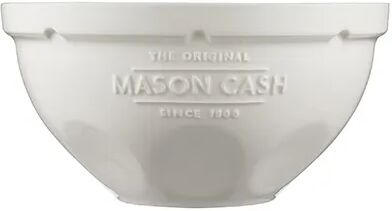
Mason Cash Innovative Kitchen Mixing BowlThis Mason Cash mixing bowl has a capacity of 4 litres and features tilt support in the design and shape of the bowl. As the bowl is tilted, the indents in the outer surface of the bowl provided angled support when mixing and beating the contents of the bowl. The bowl is made from stoneware and is finished with a durable and hard wearing glaze. The Mason Cash mixing bowl is suitable for warming food in the microwave and is dishwasher safe for easy and convenient cleaning.24,50 £*Shipping: 3,50 £Secure redirect to the provider
-
Mason Cash Innovative Kitchen Lasagne DishThe Mason Cash Innovative Kitchen Lasagne Dish is made from stoneware which provides gradual and even heat distribution. A vented base also ensures optimal heat distribution whilst right angled corners and precision sizing accommodate most lasagne sheets without the need to break them down. Steep sides allow for higher layering and help distribute heat evenly. Mason Cash ovenware classics have been given the Innovative Kitchen treatment in this range. Carefully selected materials with innovative features that improve their performance for tastier results. The Mason Cash Innovative Kitchen Lasagne Dish measures H 7.3cm x W 31.5cm x D 20.5cm with a capacity of 2.5 litres.16,10 £*Shipping: 3,50 £Secure redirect to the provider
-
What is the difference between molality and molarity?
Molality and molarity are both measures of concentration, but they are calculated differently. Molarity is the number of moles of solute per liter of solution, while molality is the number of moles of solute per kilogram of solvent. This means that molarity depends on the volume of the solution, while molality depends on the mass of the solvent. As a result, molality is a more accurate measure of concentration when there are changes in temperature, as volume can change with temperature but mass remains constant. **
-
How are the pH value, normality, and molarity calculated?
The pH value is calculated using the formula pH = -log[H+], where [H+] is the concentration of hydrogen ions in a solution. Normality is calculated by multiplying the molarity of a solution by the number of equivalents of the solute. Molarity is calculated by dividing the number of moles of solute by the volume of the solution in liters. These calculations are important in chemistry for determining the concentration and acidity/basicity of a solution. **
-
Isn't the molar concentration the same as the molarity?
Yes, molar concentration and molarity are essentially the same thing. Both terms refer to the amount of a substance (in moles) dissolved in a given volume of solution (in liters). Molarity is the more commonly used term, but both can be used interchangeably to describe the concentration of a solution. **
-
Can you please explain to me how to calculate molarity?
Molarity is a measure of the concentration of a solute in a solution. It is calculated by dividing the number of moles of solute by the volume of the solution in liters. The formula for calculating molarity is: Molarity (M) = moles of solute / liters of solution. To calculate molarity, you first need to determine the number of moles of solute present in the solution, then divide that by the volume of the solution in liters. **
* All prices are inclusive of VAT and, if applicable, plus shipping costs. The offer information is based on the details provided by the respective shop and is updated through automated processes. Real-time updates do not occur, so deviations can occur in individual cases. ** Note: Parts of this content were created by AI.