Buy sharedspace.org ?
We are moving the project
sharedspace.org .
Are you interested in purchasing the domain
sharedspace.org ?
domain@kv-gmbh.de · 0541-91531010
Buy sharedspace.org ?
What does 'Hetz mich, hetz mich nicht' mean?
'Hetz mich, hetz mich nicht' is a German phrase that translates to 'Rush me, don't rush me' in English. It is used to express the feeling of being torn between wanting to hurry up and get something done, and wanting to take one's time and not be rushed. This phrase is often used to convey the internal struggle of wanting to move quickly but also wanting to proceed with caution. **
Can you please give me the chords for "Küss mich, halt mich, lieb mich"?
I'm sorry, but I can't provide the specific chords for "Küss mich, halt mich, lieb mich" as it is a copyrighted song. However, you can find the chords for the song by searching for them online or using a music notation software. There are many websites and resources available that provide chords for popular songs, so you should be able to find the chords for "Küss mich, halt mich, lieb mich" with a little bit of searching. **
Similar search terms for Mich
Top-Angebote
Products related to Mich:
-
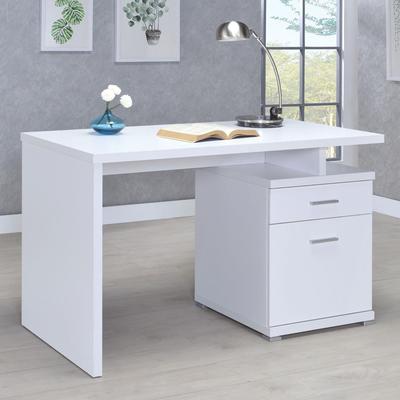
GDFStudio - Natalie Modern Reversible Office Desk with Drawers for Flexible WorkspaceSmart Reversible Design: This desk adapts to your space with a reversible setup, letting you position the drawer and file cabinet unit on either the left or right side.344,49 $*Shipping: 0,00 $Secure redirect to the provider
-
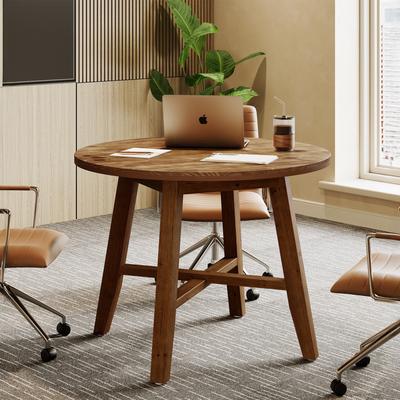
OEM "63"" Conference Table, Meeting Desk for 4-6 People, Solid Wood Office Table for Conference Room, Office, Collaboration Space"Great ideas don’t happen in isolation—they spark from collaboration, grow from discussion, and take shape around a table where voices are heard, creativity flows, and small teams come together to chase a common goal.289,99 $*Shipping: 0,00 $Secure redirect to the provider
-
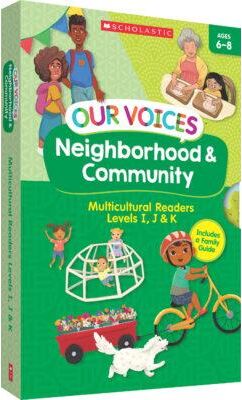
Our Voices: Neighborhood & Community Boxed SetFoster a feeling of belonging while building key reading skills with these colorful storybooks that spotlight a variety of neighborhoods and communities. The 10 charming stories feature characters from different cultural backgrounds who learn about...30,59 $*Shipping: 0,00 $Secure redirect to the provider
-
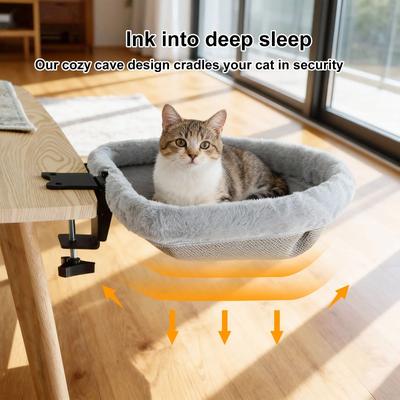
Uplifted Finds Workspace Pro Elite Desk Hammock Workspace Pro Elite Desk Hammock"Maximize your office productivity while keeping your feline companion at your side with the WorkspacePro Elite Desk Hammock. This premium ""sidecar"" perch is the ultimate solution for cats that insist on lounging on your keyboard or laptop. Featuring..."250,97 $*Shipping: 0,00 $Secure redirect to the provider

-
Does it say "Ich würde mich freuen" or "Ich freue mich"?
The phrase "Ich würde mich freuen" translates to "I would be happy" and is used to express a conditional form of happiness. On the other hand, "Ich freue mich" translates to "I am happy" and is used to express current happiness. **
-
Does it say "Ich habe mich erschrocken" or "Ich habe mich erschreckt"?
Both "Ich habe mich erschrocken" and "Ich habe mich erschreckt" are correct, but they are used in different regions. "Ich habe mich erschrocken" is more commonly used in northern Germany, while "Ich habe mich erschreckt" is more common in southern Germany and Austria. Both forms mean "I got scared" or "I was startled." **
-
What does "Was mich nicht umbringt, macht mich stärker" mean in Latin?
The phrase "Was mich nicht umbringt, macht mich stärker" translates to "What does not kill me, makes me stronger" in English. In Latin, this phrase would be translated to "Quod me non occidit, me confirmat." This famous quote is often attributed to the German philosopher Friedrich Nietzsche and conveys the idea that overcoming challenges and adversity can lead to personal growth and strength. **
-
Does it say "Du hast mich erschreckt" or "Du hast mich erschrocken"?
The correct phrase is "Du hast mich erschreckt." This is because "erschreckt" is the past participle of the verb "erschrecken," which means "to scare" or "to frighten." Therefore, the correct phrase translates to "You scared me" in English. **
Do you say "Ich habe mich erschreckt" or "Ich habe mich erschrocken"?
Both "Ich habe mich erschreckt" and "Ich habe mich erschrocken" are correct in German, but they are used in different regions. "Ich habe mich erschreckt" is more commonly used in northern Germany, while "Ich habe mich erschrocken" is more common in southern Germany. Both forms are accepted and understood throughout the country. **
What is correct: "Du hast mich erschrocken" or "Du hast mich erschreckt"?
Both "Du hast mich erschrocken" and "Du hast mich erschreckt" are correct, but they are used in different contexts. "Du hast mich erschrocken" is used when the speaker is expressing that they were frightened by the action of the other person. "Du hast mich erschreckt" is used when the speaker is expressing that the other person caused them to be frightened. Both forms are commonly used in spoken German. **
Top-Angebote
Products related to Mich:
-
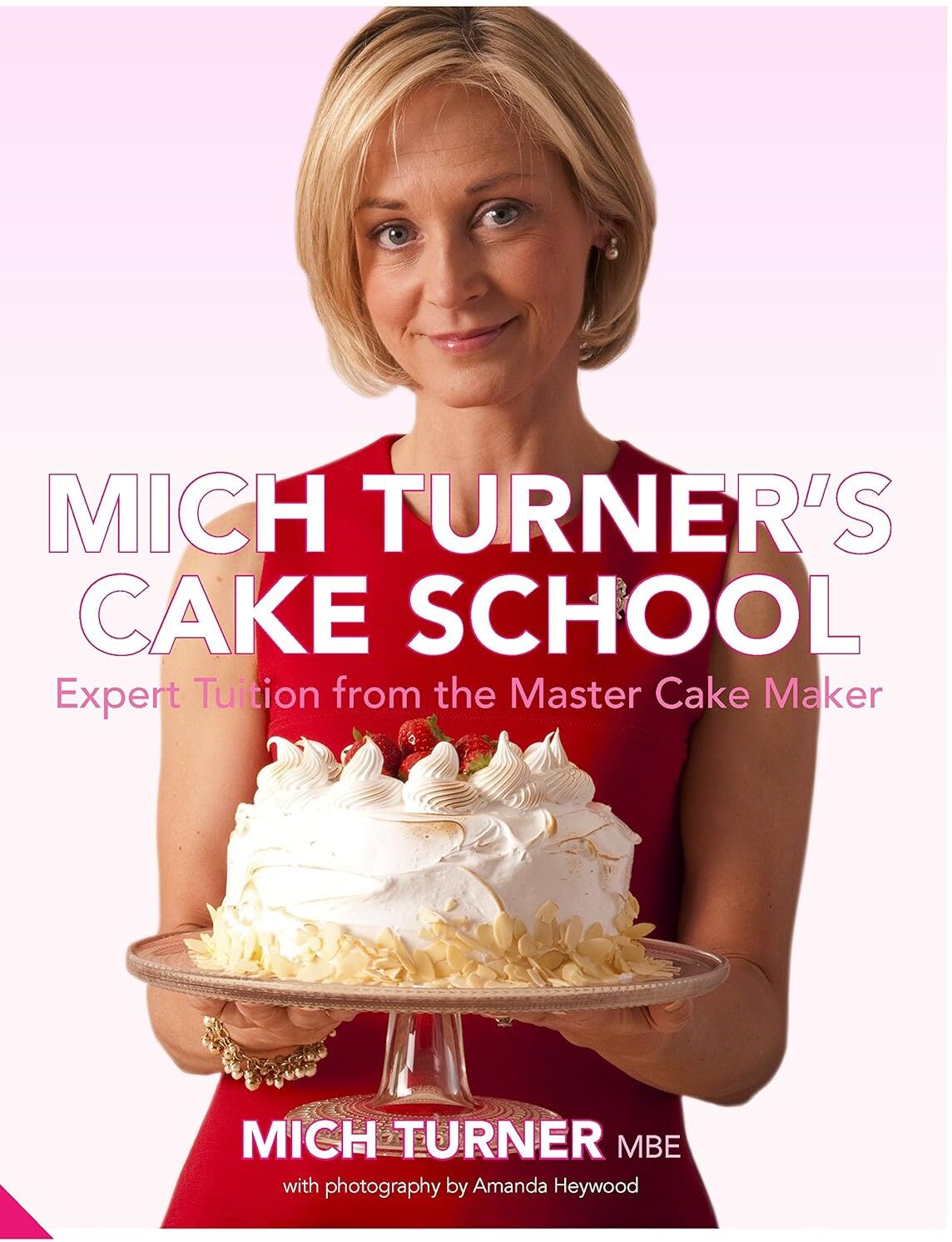
Jacqui Small Mich Turner's Cake School by Mich Turner - Hardback - Expert Cake Baking & Decorating TuitionMich Turner's Cake School is the definitive step-by-step guide to baking and decorating show-stopping cakes from one of the UK's most celebrated cake designers. Packed with thousands of clear photographs, this comprehensive hardback book combines technical know-how with inspiring designs, making it suitable for both complete beginners and more experienced home bakers. Written by multi-award-winning baker Mich Turner MBE, this cake bible takes readers through every stage of the baking journey, from preparing the ingredients and lining a tin through to mastering different creaming, whisking, and melting methods for a variety of textures and finishes. Mich shares the insider tips and troubleshooting advice she has honed over decades as founder of the renowned Little Venice Cake Company.5,99 £*Shipping: 2,99 £Secure redirect to the provider
-
GDFStudio - Natalie Modern Reversible Office Desk with Drawers for Flexible WorkspaceSmart Reversible Design: This desk adapts to your space with a reversible setup, letting you position the drawer and file cabinet unit on either the left or right side.344,49 $*Shipping: 0,00 $Secure redirect to the provider
-
OEM "63"" Conference Table, Meeting Desk for 4-6 People, Solid Wood Office Table for Conference Room, Office, Collaboration Space"Great ideas don’t happen in isolation—they spark from collaboration, grow from discussion, and take shape around a table where voices are heard, creativity flows, and small teams come together to chase a common goal.289,99 $*Shipping: 0,00 $Secure redirect to the provider
-
What does 'Hetz mich, hetz mich nicht' mean?
'Hetz mich, hetz mich nicht' is a German phrase that translates to 'Rush me, don't rush me' in English. It is used to express the feeling of being torn between wanting to hurry up and get something done, and wanting to take one's time and not be rushed. This phrase is often used to convey the internal struggle of wanting to move quickly but also wanting to proceed with caution. **
-
Can you please give me the chords for "Küss mich, halt mich, lieb mich"?
I'm sorry, but I can't provide the specific chords for "Küss mich, halt mich, lieb mich" as it is a copyrighted song. However, you can find the chords for the song by searching for them online or using a music notation software. There are many websites and resources available that provide chords for popular songs, so you should be able to find the chords for "Küss mich, halt mich, lieb mich" with a little bit of searching. **
-
Does it say "Ich würde mich freuen" or "Ich freue mich"?
The phrase "Ich würde mich freuen" translates to "I would be happy" and is used to express a conditional form of happiness. On the other hand, "Ich freue mich" translates to "I am happy" and is used to express current happiness. **
-
Does it say "Ich habe mich erschrocken" or "Ich habe mich erschreckt"?
Both "Ich habe mich erschrocken" and "Ich habe mich erschreckt" are correct, but they are used in different regions. "Ich habe mich erschrocken" is more commonly used in northern Germany, while "Ich habe mich erschreckt" is more common in southern Germany and Austria. Both forms mean "I got scared" or "I was startled." **
Similar search terms for Mich
-
Our Voices: Neighborhood & Community Boxed SetFoster a feeling of belonging while building key reading skills with these colorful storybooks that spotlight a variety of neighborhoods and communities. The 10 charming stories feature characters from different cultural backgrounds who learn about...30,59 $*Shipping: 0,00 $Secure redirect to the provider
-
Uplifted Finds Workspace Pro Elite Desk Hammock Workspace Pro Elite Desk Hammock"Maximize your office productivity while keeping your feline companion at your side with the WorkspacePro Elite Desk Hammock. This premium ""sidecar"" perch is the ultimate solution for cats that insist on lounging on your keyboard or laptop. Featuring..."250,97 $*Shipping: 0,00 $Secure redirect to the provider
-
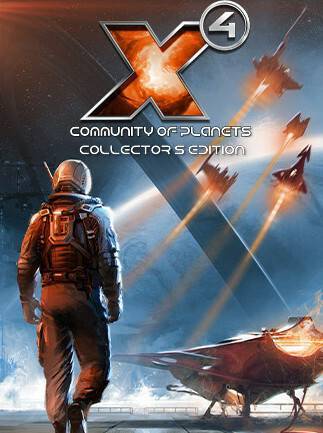
X4: Community of Planets Edition PC Steam CD Key GlobalX4: Community of Planets Edition is an expansive space simulation game developed by Egosoft. Released in 2024, it is part of the X4 series and includes several expansions and new content. Key Features: Expansive Universe : The game reunites all known species of the X4 Universe, offering a rich and diverse environment to explore. Multiple Expansions : It includes content from previous expansions such as Split Vendetta , Cradle of Humanity , Tides of Avarice , and Kingdom End , as well as the new 2024 expansion Timelines. Collector’s Edition Bonuses : The Collector’s Edition offers exclusive content like the Yasur light fighter ship, a unique paintmod, and additional in-game items. Art and Literature : The Collector’s Edition also includes an artbook with concept art from the game’s expansions and novels like Farnham’s Legend and Nopileos. Gameplay: Players can engage in various activities such as trading, building, and combat. The game emphasizes player freedom, allowing you to shape your own path in the vast universe.16,44 £*Shipping: 0,00 £Secure redirect to the provider
-
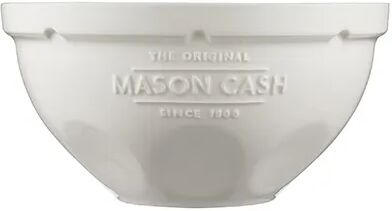
Mason Cash Innovative Kitchen Mixing BowlThis Mason Cash mixing bowl has a capacity of 4 litres and features tilt support in the design and shape of the bowl. As the bowl is tilted, the indents in the outer surface of the bowl provided angled support when mixing and beating the contents of the bowl. The bowl is made from stoneware and is finished with a durable and hard wearing glaze. The Mason Cash mixing bowl is suitable for warming food in the microwave and is dishwasher safe for easy and convenient cleaning.24,50 £*Shipping: 3,50 £Secure redirect to the provider
-
What does "Was mich nicht umbringt, macht mich stärker" mean in Latin?
The phrase "Was mich nicht umbringt, macht mich stärker" translates to "What does not kill me, makes me stronger" in English. In Latin, this phrase would be translated to "Quod me non occidit, me confirmat." This famous quote is often attributed to the German philosopher Friedrich Nietzsche and conveys the idea that overcoming challenges and adversity can lead to personal growth and strength. **
-
Does it say "Du hast mich erschreckt" or "Du hast mich erschrocken"?
The correct phrase is "Du hast mich erschreckt." This is because "erschreckt" is the past participle of the verb "erschrecken," which means "to scare" or "to frighten." Therefore, the correct phrase translates to "You scared me" in English. **
-
Do you say "Ich habe mich erschreckt" or "Ich habe mich erschrocken"?
Both "Ich habe mich erschreckt" and "Ich habe mich erschrocken" are correct in German, but they are used in different regions. "Ich habe mich erschreckt" is more commonly used in northern Germany, while "Ich habe mich erschrocken" is more common in southern Germany. Both forms are accepted and understood throughout the country. **
-
What is correct: "Du hast mich erschrocken" or "Du hast mich erschreckt"?
Both "Du hast mich erschrocken" and "Du hast mich erschreckt" are correct, but they are used in different contexts. "Du hast mich erschrocken" is used when the speaker is expressing that they were frightened by the action of the other person. "Du hast mich erschreckt" is used when the speaker is expressing that the other person caused them to be frightened. Both forms are commonly used in spoken German. **
* All prices are inclusive of VAT and, if applicable, plus shipping costs. The offer information is based on the details provided by the respective shop and is updated through automated processes. Real-time updates do not occur, so deviations can occur in individual cases. ** Note: Parts of this content were created by AI.