Buy sharedspace.org ?
We are moving the project
sharedspace.org .
Are you interested in purchasing the domain
sharedspace.org ?
domain@kv-gmbh.de · 0541-91531010
Buy sharedspace.org ?
How do you obtain embryonic stem cells?
Embryonic stem cells are typically obtained from unused embryos that are donated from in vitro fertilization clinics. These embryos are usually created for reproductive purposes but are no longer needed and are donated with consent. The stem cells are then extracted from the inner cell mass of the embryo, which is a cluster of cells that has the potential to develop into any type of cell in the body. This process is done in a laboratory setting under strict ethical guidelines and regulations. **
Are embryonic stem cells totipotent or pluripotent?
Embryonic stem cells are considered pluripotent, meaning they have the ability to differentiate into many different cell types, but not all cell types in the body. Totipotent cells, on the other hand, have the ability to differentiate into all cell types in the body as well as extraembryonic tissues. Therefore, while embryonic stem cells have a high potential for differentiation, they are not considered totipotent. **


Similar search terms for Embryonic
Top-Angebote
Products related to Embryonic:
-
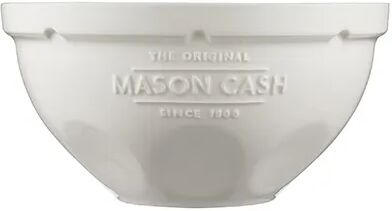
Mason Cash Innovative Kitchen Mixing BowlThis Mason Cash mixing bowl has a capacity of 4 litres and features tilt support in the design and shape of the bowl. As the bowl is tilted, the indents in the outer surface of the bowl provided angled support when mixing and beating the contents of the bowl. The bowl is made from stoneware and is finished with a durable and hard wearing glaze. The Mason Cash mixing bowl is suitable for warming food in the microwave and is dishwasher safe for easy and convenient cleaning.24,50 £*Shipping: 3,50 £Secure redirect to the provider
-
Mason Cash Innovative Kitchen Lasagne DishThe Mason Cash Innovative Kitchen Lasagne Dish is made from stoneware which provides gradual and even heat distribution. A vented base also ensures optimal heat distribution whilst right angled corners and precision sizing accommodate most lasagne sheets without the need to break them down. Steep sides allow for higher layering and help distribute heat evenly. Mason Cash ovenware classics have been given the Innovative Kitchen treatment in this range. Carefully selected materials with innovative features that improve their performance for tastier results. The Mason Cash Innovative Kitchen Lasagne Dish measures H 7.3cm x W 31.5cm x D 20.5cm with a capacity of 2.5 litres.16,10 £*Shipping: 3,50 £Secure redirect to the provider
-
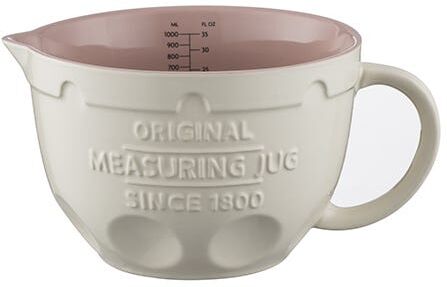
Mason Cash Innovative Kitchen 1L Measuring JugThe Mason Cash Innovative kitchen 1 litre measuring jug is a must have in the kitchen for baking large batches of ingredients. The stoneware bowl has a large handle providing a good grip when mixing the contents. The bowl features indentations on the exterior, which provides extra support when the bowl is tilted at an angle. The inside of the measuring bowl shows measurements in both millilitres and fluid ounces. Suitable for use in the microwave and dishwasher safe for easy and convenient cleaning, the measuring bowl is part of a matching collection.17,85 £*Shipping: 3,50 £Secure redirect to the provider
-
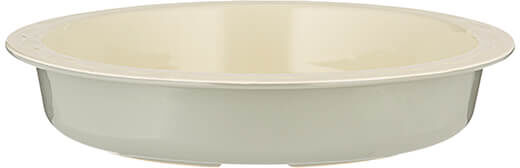
Mason Cash Innovative Kitchen 29cm Pie DishThe Mason Cash Innovative Kitchen Pie Dish is made from stoneware which provides gradual and even heat distribution. A vented base also ensures optimal heat distribution as do the steep sides of the dish. An embossed interior provides easy pastry release whilst the pastry anchor prevents pastry slumping. Mason Cash ovenware classics have been given the Innovative Kitchen treatment in this range. Carefully selected materials with innovative features that improve their performance for tastier results. The Mason Cash Innovative Kitchen Pie Dish measures H 5.5cm x W 28cm x D 28cm with a capacity of 2 litres.15,05 £*Shipping: 3,50 £Secure redirect to the provider

-
How does the embryonic development proceed in amphibians?
In amphibians, embryonic development begins with the fertilization of the egg by the sperm. The zygote then undergoes cleavage, a series of rapid cell divisions, to form a hollow ball of cells called a blastula. The blastula then undergoes gastrulation, during which the cells rearrange to form three germ layers: ectoderm, mesoderm, and endoderm. These germ layers give rise to different tissues and organs in the developing embryo. Finally, the embryo undergoes organogenesis, during which the major organs and body structures begin to form. This process ultimately leads to the development of a tadpole, which will eventually undergo metamorphosis to become a mature amphibian. **
-
What two clues does the embryonic circulation provide about evolution?
The embryonic circulation provides two important clues about evolution. First, it shows the common ancestry of all vertebrates, as the early embryonic circulation patterns are similar across different species. This suggests that these patterns have been conserved throughout evolution. Second, the embryonic circulation also provides evidence of evolutionary changes, as different species may exhibit variations in the timing and development of their circulatory systems. These variations can provide insights into the evolutionary adaptations that have occurred over time. **
-
Why is this community so innovative?
This community is so innovative because it fosters a culture of collaboration, creativity, and forward-thinking. The members of this community are encouraged to think outside the box, take risks, and pursue new ideas. There is a strong emphasis on learning and development, as well as a willingness to embrace change and adapt to new technologies and trends. Additionally, the community benefits from a diverse range of perspectives and expertise, which leads to a rich exchange of ideas and innovative solutions. **
-
Why is the period of de novo methylation a critical phase in the course of embryonic development?
The period of de novo methylation is a critical phase in embryonic development because it is during this time that the genome undergoes extensive epigenetic reprogramming. De novo methylation plays a crucial role in regulating gene expression and establishing cell identity. Any errors or disruptions in this process can lead to developmental abnormalities and diseases. Therefore, the precise control of de novo methylation is essential for proper embryonic development and the formation of different cell types and tissues. **


Why does the period of de novo methylation represent a critical phase in the course of embryonic development?
The period of de novo methylation is critical in embryonic development because it is when the genome undergoes extensive epigenetic modifications that are essential for regulating gene expression and cell differentiation. These modifications help establish cell identity and determine the fate of cells as they develop into different tissues and organs. Disruption of de novo methylation during this period can lead to developmental abnormalities and diseases. Therefore, proper regulation of de novo methylation is crucial for normal embryonic development. **
What are the differences between embryonic stem cells, omnipotent stem cells, adult stem cells, totipotent stem cells, and multipotent stem cells?
Embryonic stem cells are derived from embryos and have the potential to develop into any type of cell in the body. Omnipotent stem cells, also known as pluripotent stem cells, are similar to embryonic stem cells in that they can differentiate into any type of cell, but they are derived from adult tissues. Adult stem cells are found in various tissues and have the ability to differentiate into a limited range of cell types. Totipotent stem cells have the highest potential for differentiation and can develop into any type of cell, as well as into extraembryonic tissues such as the placenta. Multipotent stem cells can differentiate into a limited number of cell types, typically within a specific tissue or organ. **
Top-Angebote
Products related to Embryonic:
-
Our Voices: Neighborhood & Community Boxed SetFoster a feeling of belonging while building key reading skills with these colorful storybooks that spotlight a variety of neighborhoods and communities. The 10 charming stories feature characters from different cultural backgrounds who learn about...30,59 $*Shipping: 0,00 $Secure redirect to the provider
-
Mason Cash Innovative Kitchen Mixing BowlThis Mason Cash mixing bowl has a capacity of 4 litres and features tilt support in the design and shape of the bowl. As the bowl is tilted, the indents in the outer surface of the bowl provided angled support when mixing and beating the contents of the bowl. The bowl is made from stoneware and is finished with a durable and hard wearing glaze. The Mason Cash mixing bowl is suitable for warming food in the microwave and is dishwasher safe for easy and convenient cleaning.24,50 £*Shipping: 3,50 £Secure redirect to the provider
-
Mason Cash Innovative Kitchen Lasagne DishThe Mason Cash Innovative Kitchen Lasagne Dish is made from stoneware which provides gradual and even heat distribution. A vented base also ensures optimal heat distribution whilst right angled corners and precision sizing accommodate most lasagne sheets without the need to break them down. Steep sides allow for higher layering and help distribute heat evenly. Mason Cash ovenware classics have been given the Innovative Kitchen treatment in this range. Carefully selected materials with innovative features that improve their performance for tastier results. The Mason Cash Innovative Kitchen Lasagne Dish measures H 7.3cm x W 31.5cm x D 20.5cm with a capacity of 2.5 litres.16,10 £*Shipping: 3,50 £Secure redirect to the provider
-
How do you obtain embryonic stem cells?
Embryonic stem cells are typically obtained from unused embryos that are donated from in vitro fertilization clinics. These embryos are usually created for reproductive purposes but are no longer needed and are donated with consent. The stem cells are then extracted from the inner cell mass of the embryo, which is a cluster of cells that has the potential to develop into any type of cell in the body. This process is done in a laboratory setting under strict ethical guidelines and regulations. **
-
Are embryonic stem cells totipotent or pluripotent?
Embryonic stem cells are considered pluripotent, meaning they have the ability to differentiate into many different cell types, but not all cell types in the body. Totipotent cells, on the other hand, have the ability to differentiate into all cell types in the body as well as extraembryonic tissues. Therefore, while embryonic stem cells have a high potential for differentiation, they are not considered totipotent. **
-
How does the embryonic development proceed in amphibians?
In amphibians, embryonic development begins with the fertilization of the egg by the sperm. The zygote then undergoes cleavage, a series of rapid cell divisions, to form a hollow ball of cells called a blastula. The blastula then undergoes gastrulation, during which the cells rearrange to form three germ layers: ectoderm, mesoderm, and endoderm. These germ layers give rise to different tissues and organs in the developing embryo. Finally, the embryo undergoes organogenesis, during which the major organs and body structures begin to form. This process ultimately leads to the development of a tadpole, which will eventually undergo metamorphosis to become a mature amphibian. **
-
What two clues does the embryonic circulation provide about evolution?
The embryonic circulation provides two important clues about evolution. First, it shows the common ancestry of all vertebrates, as the early embryonic circulation patterns are similar across different species. This suggests that these patterns have been conserved throughout evolution. Second, the embryonic circulation also provides evidence of evolutionary changes, as different species may exhibit variations in the timing and development of their circulatory systems. These variations can provide insights into the evolutionary adaptations that have occurred over time. **
Similar search terms for Embryonic
-
Mason Cash Innovative Kitchen 1L Measuring JugThe Mason Cash Innovative kitchen 1 litre measuring jug is a must have in the kitchen for baking large batches of ingredients. The stoneware bowl has a large handle providing a good grip when mixing the contents. The bowl features indentations on the exterior, which provides extra support when the bowl is tilted at an angle. The inside of the measuring bowl shows measurements in both millilitres and fluid ounces. Suitable for use in the microwave and dishwasher safe for easy and convenient cleaning, the measuring bowl is part of a matching collection.17,85 £*Shipping: 3,50 £Secure redirect to the provider
-
Mason Cash Innovative Kitchen 29cm Pie DishThe Mason Cash Innovative Kitchen Pie Dish is made from stoneware which provides gradual and even heat distribution. A vented base also ensures optimal heat distribution as do the steep sides of the dish. An embossed interior provides easy pastry release whilst the pastry anchor prevents pastry slumping. Mason Cash ovenware classics have been given the Innovative Kitchen treatment in this range. Carefully selected materials with innovative features that improve their performance for tastier results. The Mason Cash Innovative Kitchen Pie Dish measures H 5.5cm x W 28cm x D 28cm with a capacity of 2 litres.15,05 £*Shipping: 3,50 £Secure redirect to the provider
-
Uplifted Finds Workspace Pro Elite Desk Hammock Workspace Pro Elite Desk Hammock"Maximize your office productivity while keeping your feline companion at your side with the WorkspacePro Elite Desk Hammock. This premium ""sidecar"" perch is the ultimate solution for cats that insist on lounging on your keyboard or laptop. Featuring..."250,97 $*Shipping: 0,00 $Secure redirect to the provider
-
Why is this community so innovative?
This community is so innovative because it fosters a culture of collaboration, creativity, and forward-thinking. The members of this community are encouraged to think outside the box, take risks, and pursue new ideas. There is a strong emphasis on learning and development, as well as a willingness to embrace change and adapt to new technologies and trends. Additionally, the community benefits from a diverse range of perspectives and expertise, which leads to a rich exchange of ideas and innovative solutions. **
-
Why is the period of de novo methylation a critical phase in the course of embryonic development?
The period of de novo methylation is a critical phase in embryonic development because it is during this time that the genome undergoes extensive epigenetic reprogramming. De novo methylation plays a crucial role in regulating gene expression and establishing cell identity. Any errors or disruptions in this process can lead to developmental abnormalities and diseases. Therefore, the precise control of de novo methylation is essential for proper embryonic development and the formation of different cell types and tissues. **
-
Why does the period of de novo methylation represent a critical phase in the course of embryonic development?
The period of de novo methylation is critical in embryonic development because it is when the genome undergoes extensive epigenetic modifications that are essential for regulating gene expression and cell differentiation. These modifications help establish cell identity and determine the fate of cells as they develop into different tissues and organs. Disruption of de novo methylation during this period can lead to developmental abnormalities and diseases. Therefore, proper regulation of de novo methylation is crucial for normal embryonic development. **
-
What are the differences between embryonic stem cells, omnipotent stem cells, adult stem cells, totipotent stem cells, and multipotent stem cells?
Embryonic stem cells are derived from embryos and have the potential to develop into any type of cell in the body. Omnipotent stem cells, also known as pluripotent stem cells, are similar to embryonic stem cells in that they can differentiate into any type of cell, but they are derived from adult tissues. Adult stem cells are found in various tissues and have the ability to differentiate into a limited range of cell types. Totipotent stem cells have the highest potential for differentiation and can develop into any type of cell, as well as into extraembryonic tissues such as the placenta. Multipotent stem cells can differentiate into a limited number of cell types, typically within a specific tissue or organ. **
* All prices are inclusive of VAT and, if applicable, plus shipping costs. The offer information is based on the details provided by the respective shop and is updated through automated processes. Real-time updates do not occur, so deviations can occur in individual cases. ** Note: Parts of this content were created by AI.